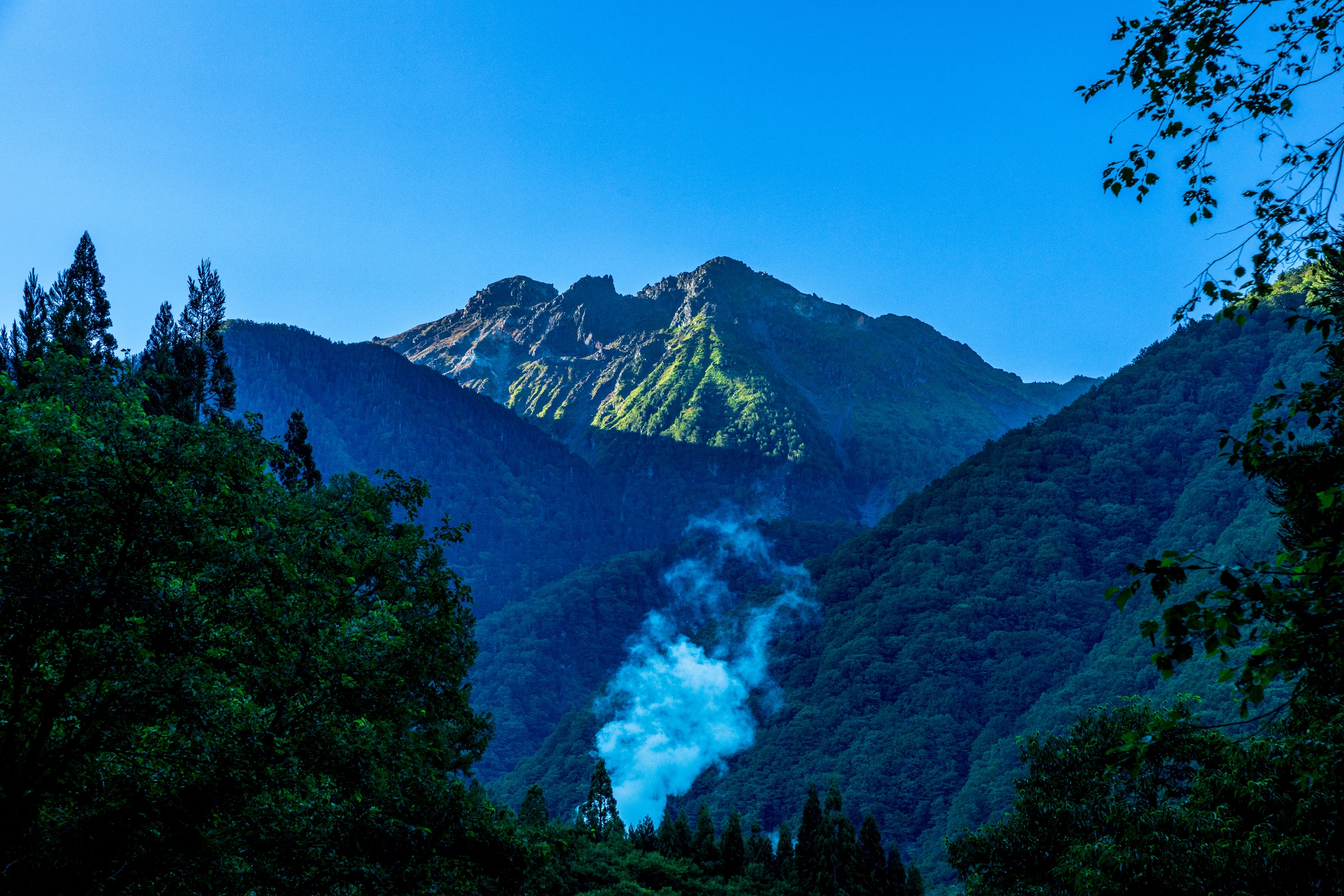

— The scenery of Okuhida was far more profound than I had imagined. —
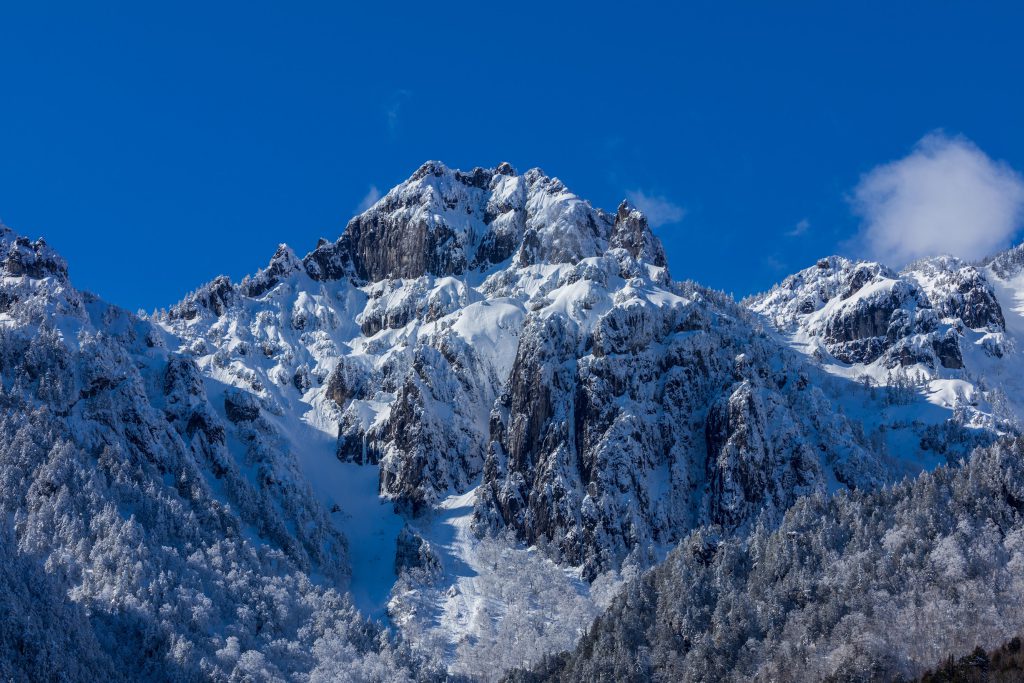
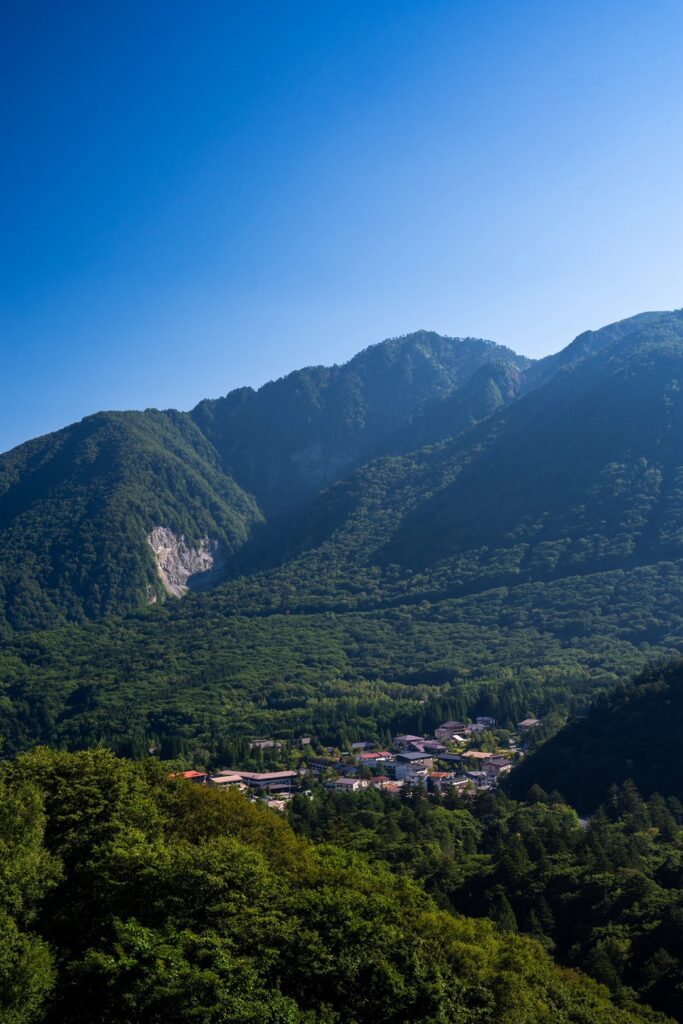
Since coming to Okuhida, I've been looking up at the mountains a lot more.
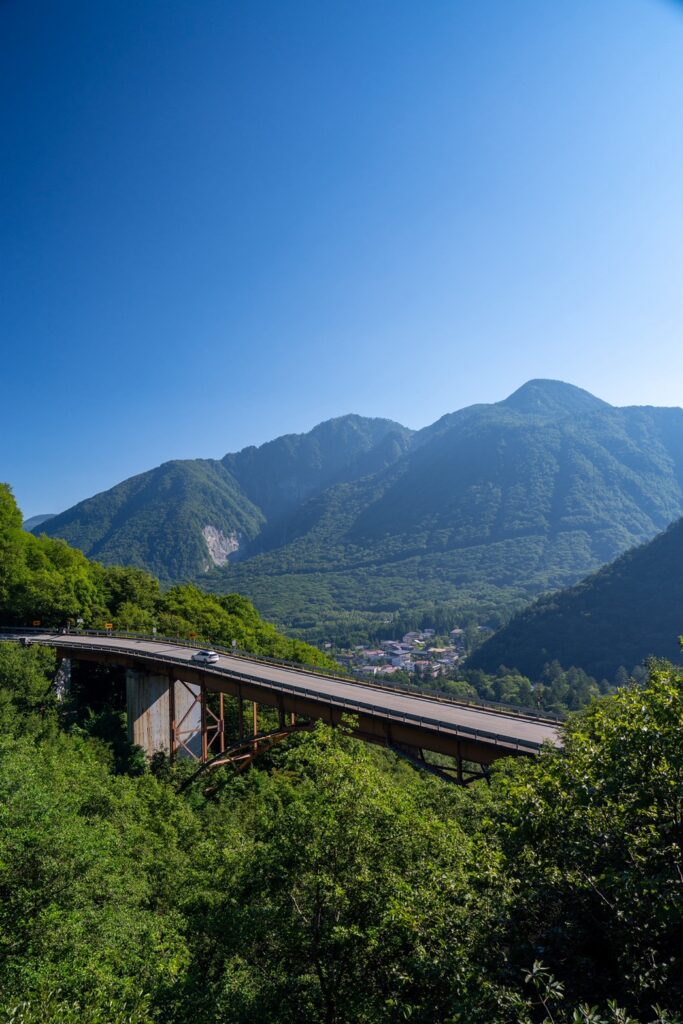
When I'm heading to work in the morning. When I'm driving. When I'm soaking in a hot spring.
There's always a mountain there.
The mountain, which I had thought was an amazing view, became more appealing the more I learned about this land.
It's starting to look different.
It all started with a fact I happened to stumble upon.
“"The stones around here hold memories of the sea from over 400 million years ago."”
For a moment, I didn't quite understand. The sea?
Even though it's a place full of mountains.
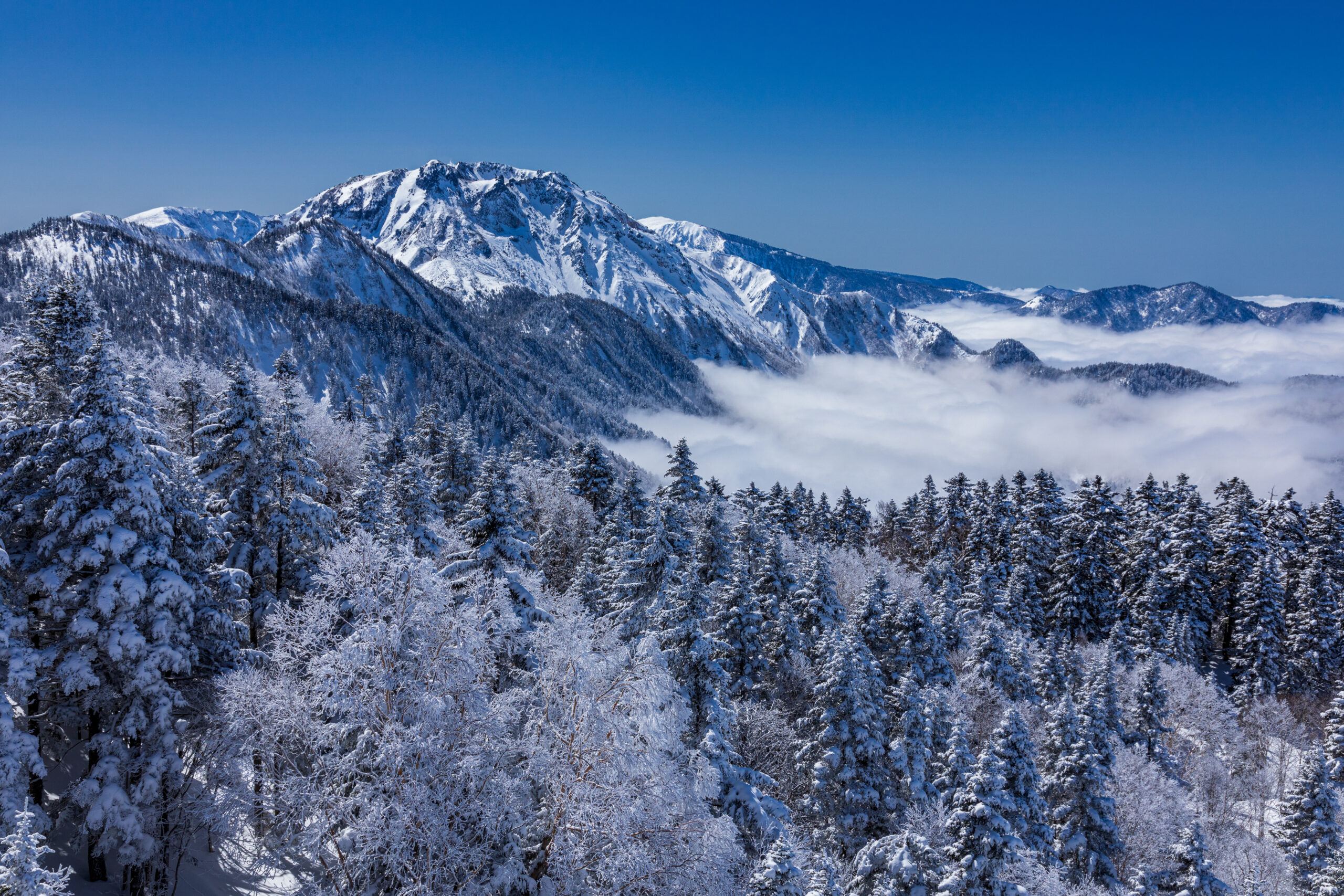
The Okuhida Onsenkyo hot spring resort area is located on the western side of the Chubu Sangaku National Park.
It is a vast national park centered around the Northern Alps, spanning four prefectures: Niigata, Toyama, Nagano, and Gifu.
Mt. Yarigatake, Mt. Hotakadake, Mt. Tateyama, Mt. Tsurugidake, Mt. Norikuradake.
The area is lined with mountains reaching over 3,000 meters in height, a sight that is awe-inspiring just by hearing their names.
Designated in 1934, the same year that national parks were established in Japan, it is one of the earliest national parks.
But what I found interesting wasn't just its size or the height of the mountain.
What surprised me was the immense amount of time that remains at the foot of this mountain.
Some of the geological layers and rocks beneath your feet were originally formed at the bottom of the sea.
Approximately 400 million years ago, there was an ocean in this area.
When I learned that fact, the familiar scenery suddenly seemed strange.
On the other hand, the mountains we now call the "Northern Alps" only began to rise significantly much later.
Approximately 5 to 2.5 million years ago, this area was still a low peninsula jutting out into the ancient Sea of Japan.
From there, a rapid uplift began approximately 2.5 million years ago.
Between 1.5 million and 600,000 years ago, intense uplift transformed the area into the magnificent mountain range we see today.
Furthermore, it seems that the sharp ridges and valleys we see today were formed over the course of the Ice Age.
In other words, a young mountain made of old rock.
That's the kind of place I'm living in now.
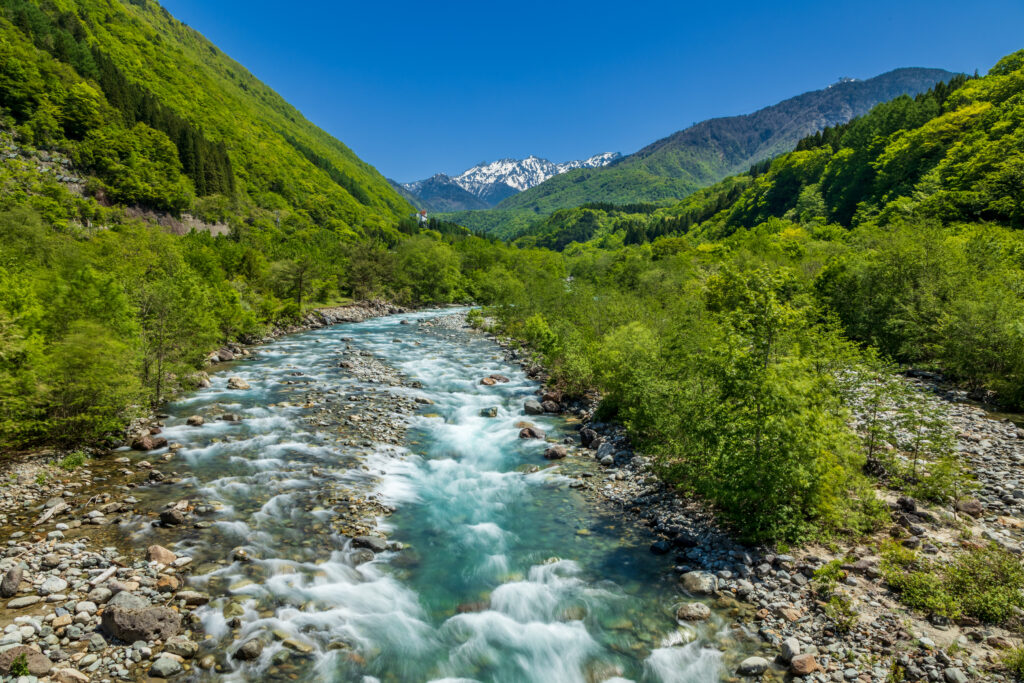
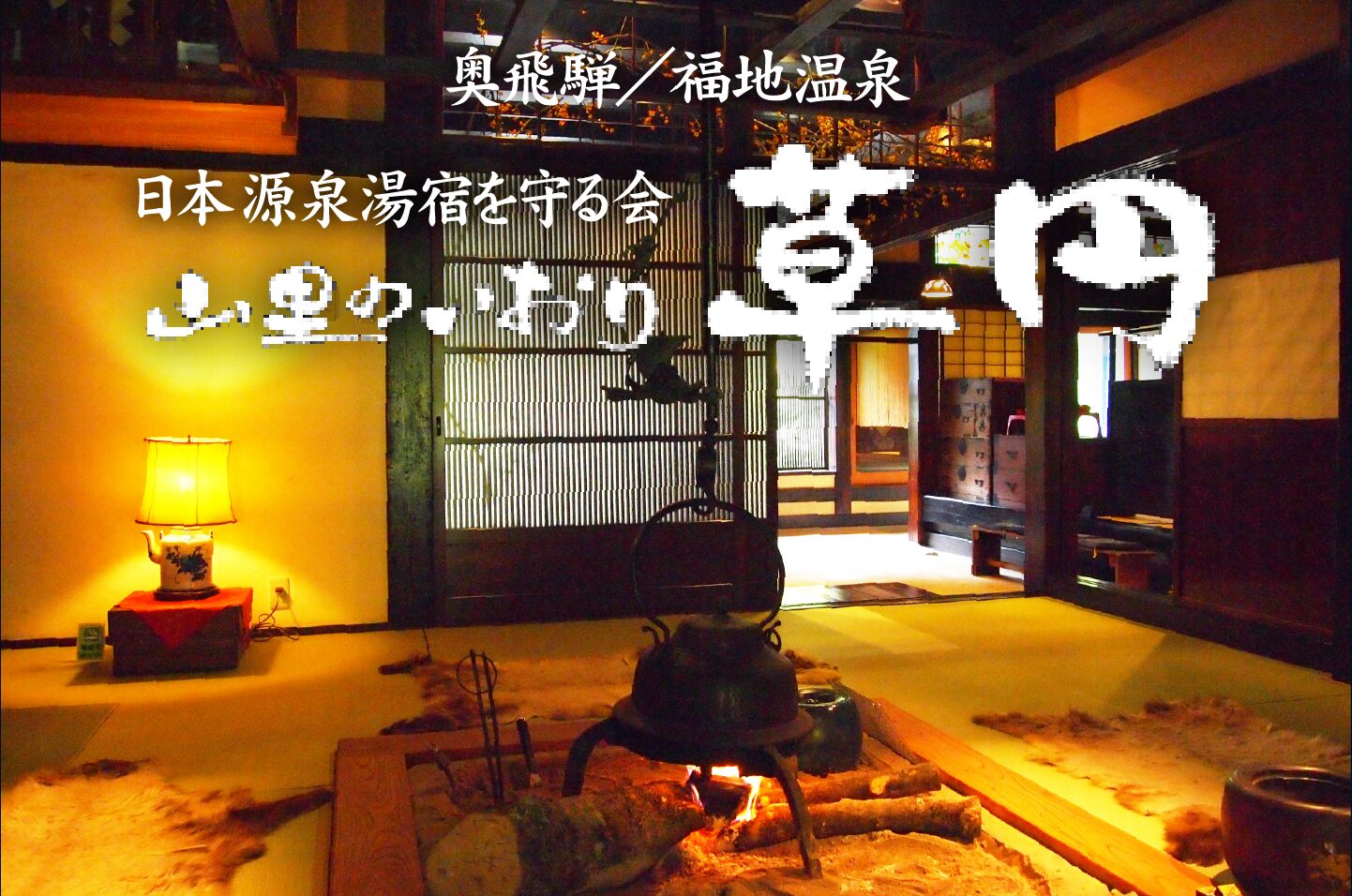
Fukuchi Onsen is a place where you can truly feel that immense sense of time.
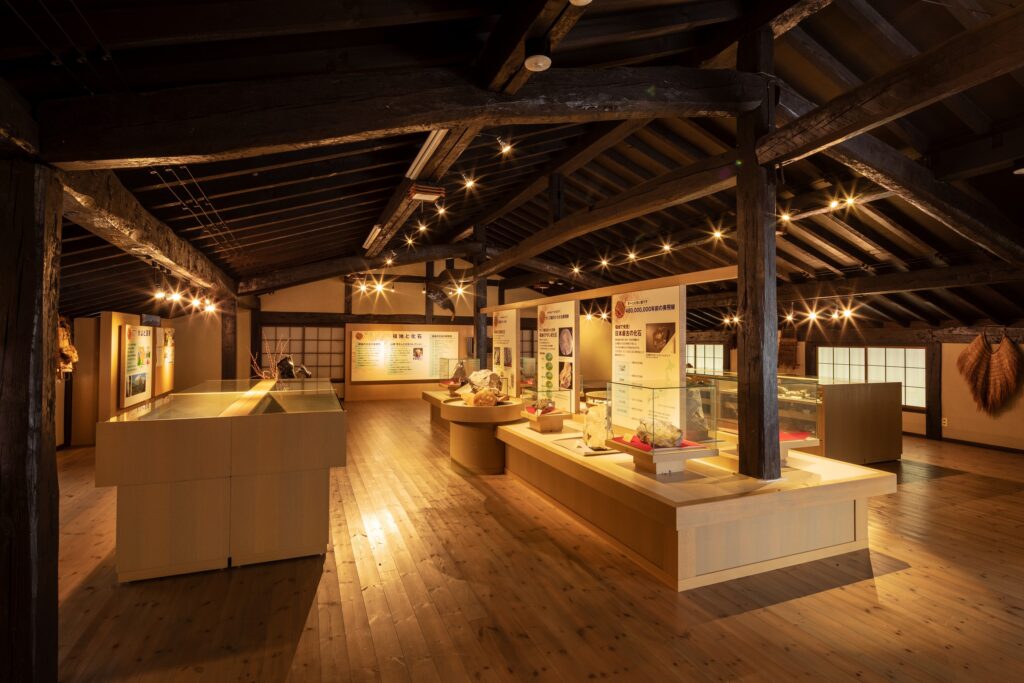
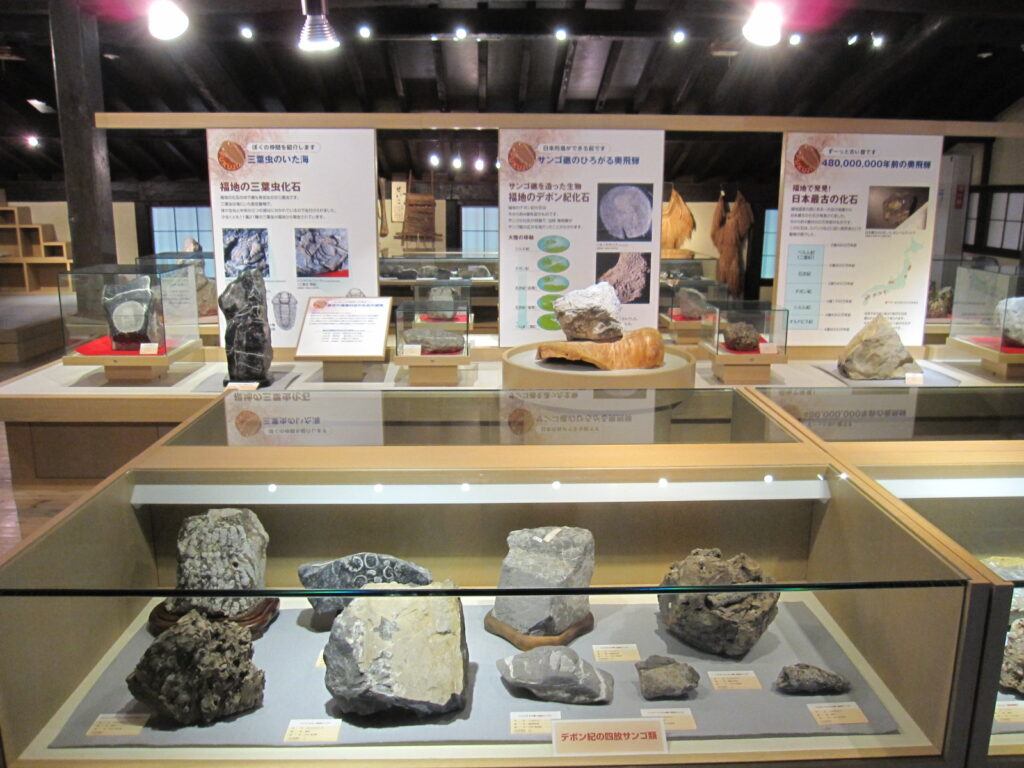
Fossils of corals and trilobites have been found in this area.
Now, with snow piling up and hot springs gushing forth, this place where we live,
It's hard to believe that this was once the bottom of a warm, shallow sea.
Even if I understand it intellectually, I can't quite grasp it in practice.
At the Fukuchi Fossil Museum in Fukuchi Onsen, you can see fossils that have been found in this area.
Looking at fossils after seeing the mountains,
The scenery before your eyes will no longer be just "beautiful mountains."
Even when I look at a stone by the river, I wonder, "Where did this come from?"
That's the kind of thing I started to think.
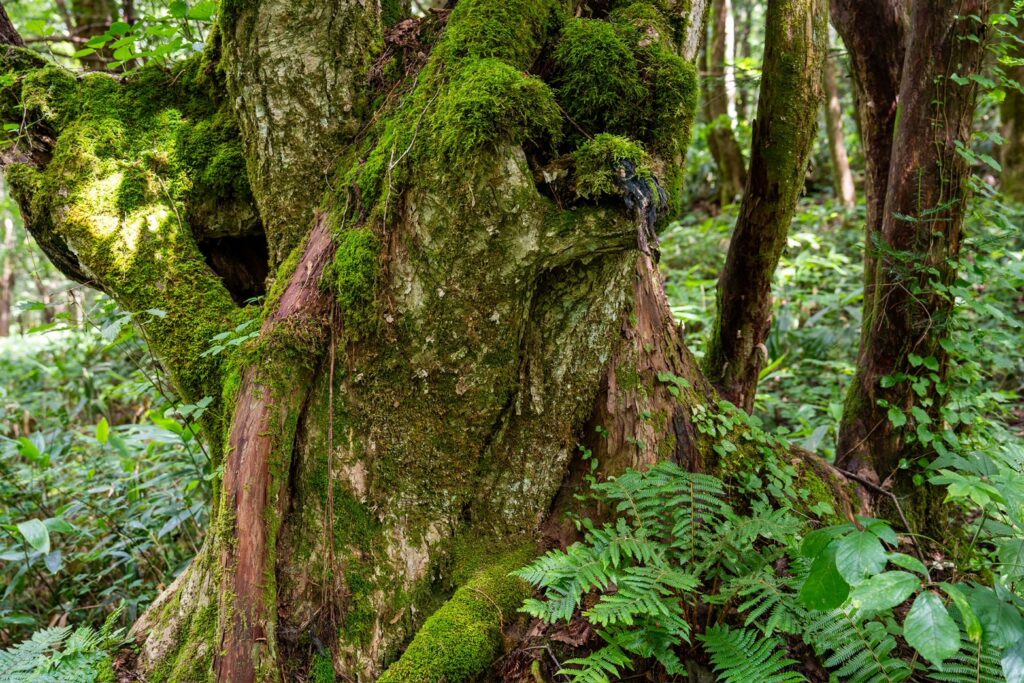
Hundreds of millions of years of time lie beneath our feet, looking like nothing more than a pebble.
That's kind of interesting.
And as I learned more about this land,
There's one more thing that's changed in appearance.
It's a hot spring.
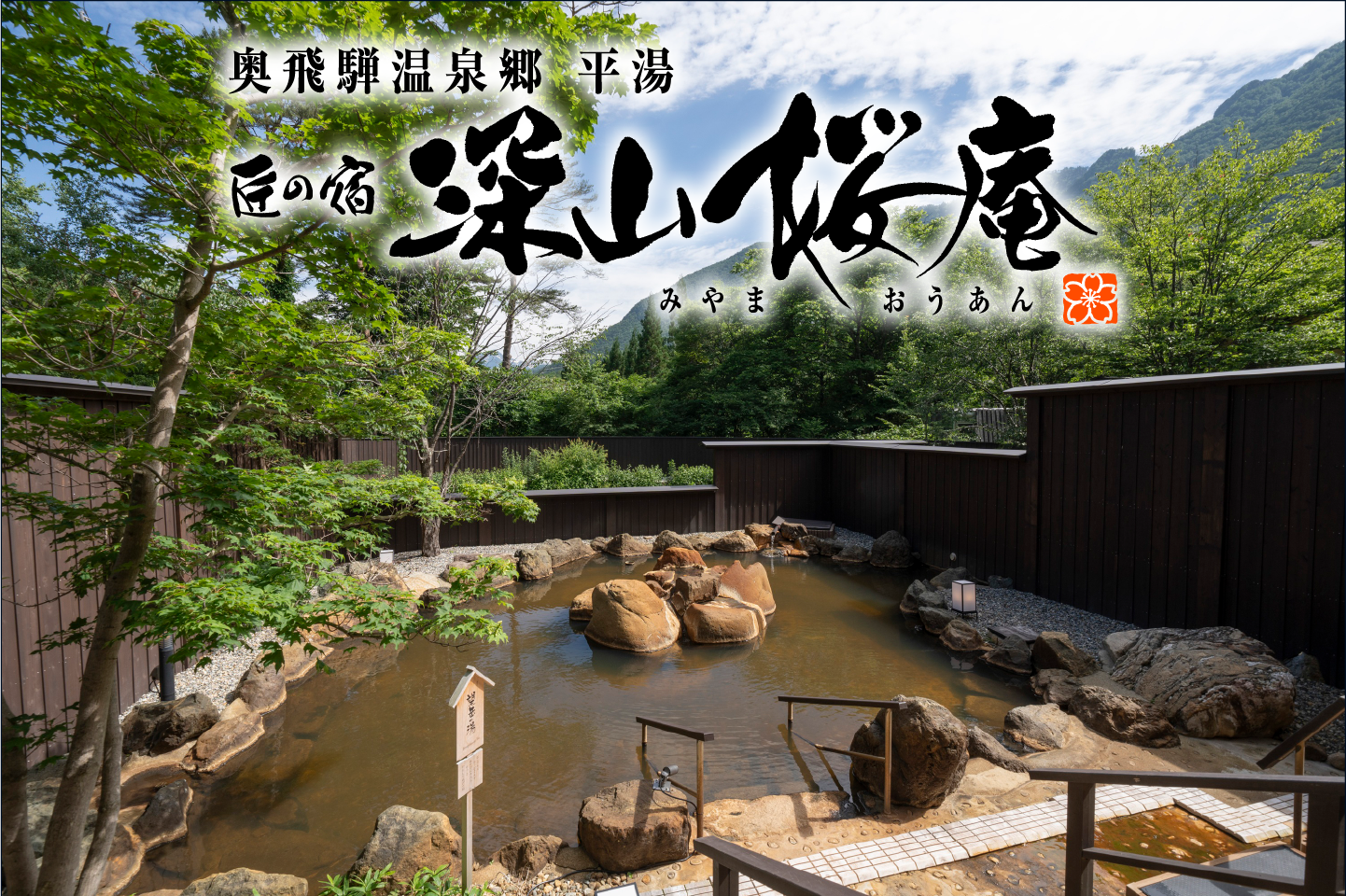
The Okuhida Onsenkyo area has over 100 hot spring sources.
The underground heat that produces that hot spring water.
This is due to volcanic activity in this mountainous region.
A prime example of this is Mount Yake, an active volcano that continues to erupt even today.
Water that seeps underground is heated and then emerges to the surface through faults and other channels.
In other words, even the hot springs that we soak in and say, "Ah, this feels so good,"
This can be considered a benefit of the fact that this earth is still moving.
Mount Yake dammed the Azusa River with a mudflow caused by its 1915 eruption, creating the present-day Taisho Pond.
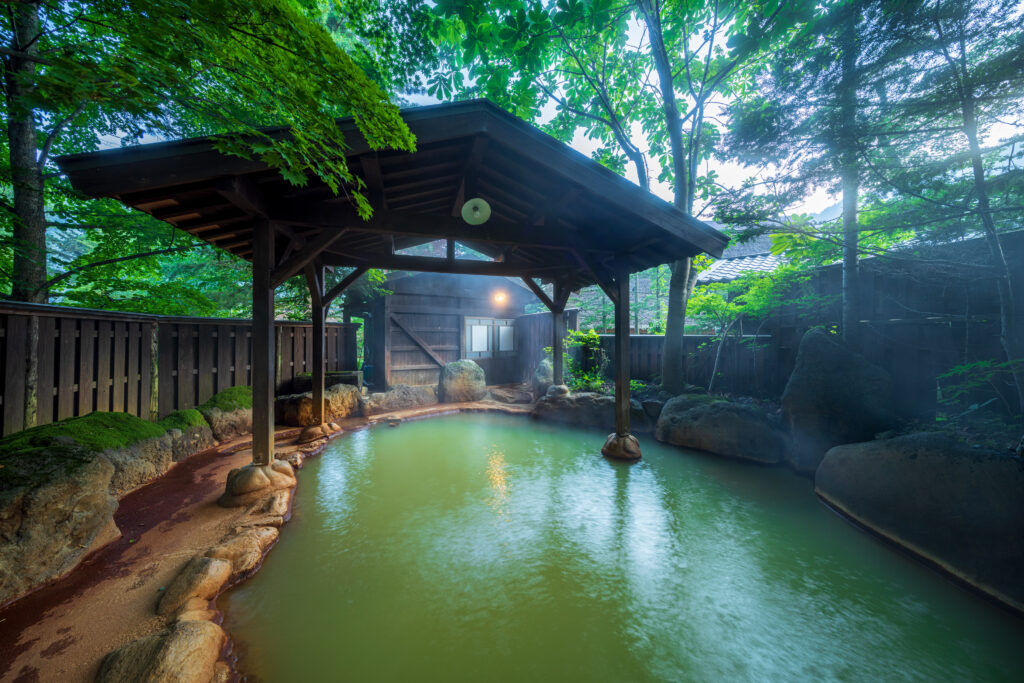
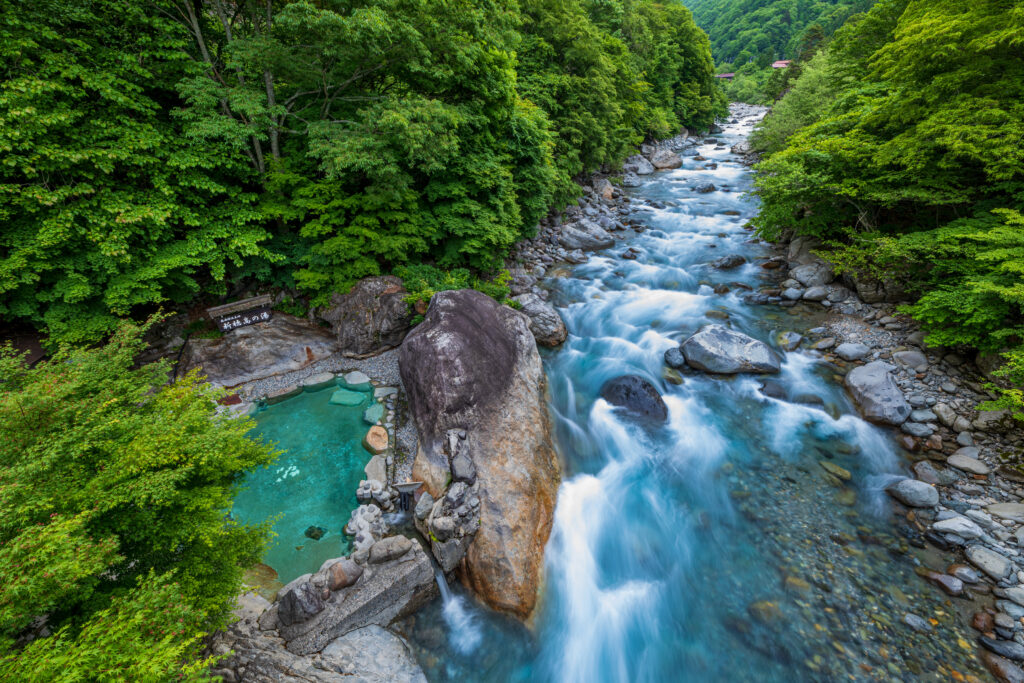
The hot springs in Okuhida and the view of Taisho Pond in Kamikochi.
To me, they were supposed to be completely different things.
But the scenery and the hot springs were all part of the same land.
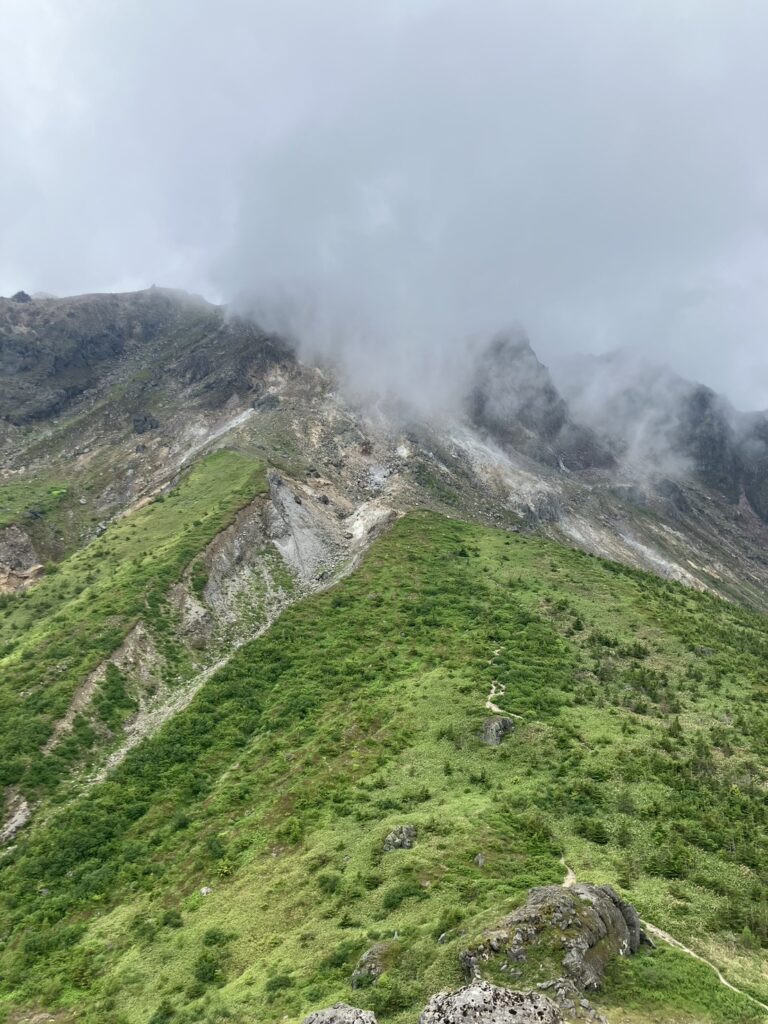
When you think about it that way, it's amazing how many things start to connect.
First, there is the land. Plants suited to the altitude and climate of that land grow there.
Living things live in search of plants. In the Hirayu area, the number of birch trees is increasing.
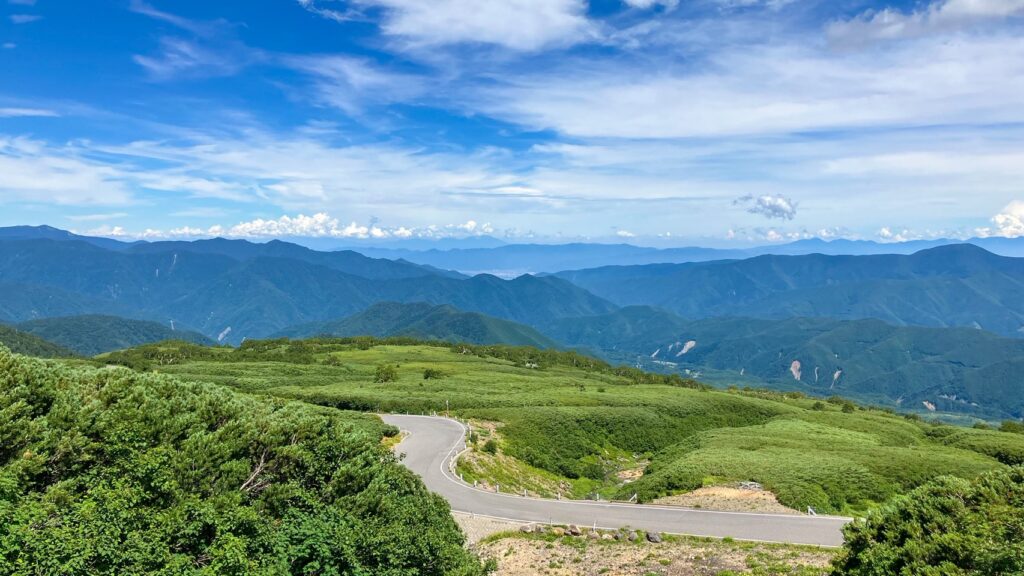
As you gain altitude, the trees eventually change to dwarf pines.
And rock ptarmigan live in that dwarf pine zone.
Even snow doesn't just fall in large quantities here by chance.
Because there is a huge mountain range called the Northern Alps,
Seasonal winds coming from the Sea of Japan collide with the mountains, causing heavy snowfall on this western side.
Because there are mountains, it snows.
Because there is snow, the plants change.
Because there are plants, there are living things.
And humans, too, arrived here, searching for a place where they could live amidst nature.
There was land, plants grew, living things lived, and then people came.
Come to think of it, it might be the obvious order of things.
But before I came to Okuhida,
I had never thought about the place where I live in that way before.
I had a somewhat rigid image of the term "national park."
Perhaps it's something like, "A special place for protecting nature."
However, Japan's national parks also include areas where people live.
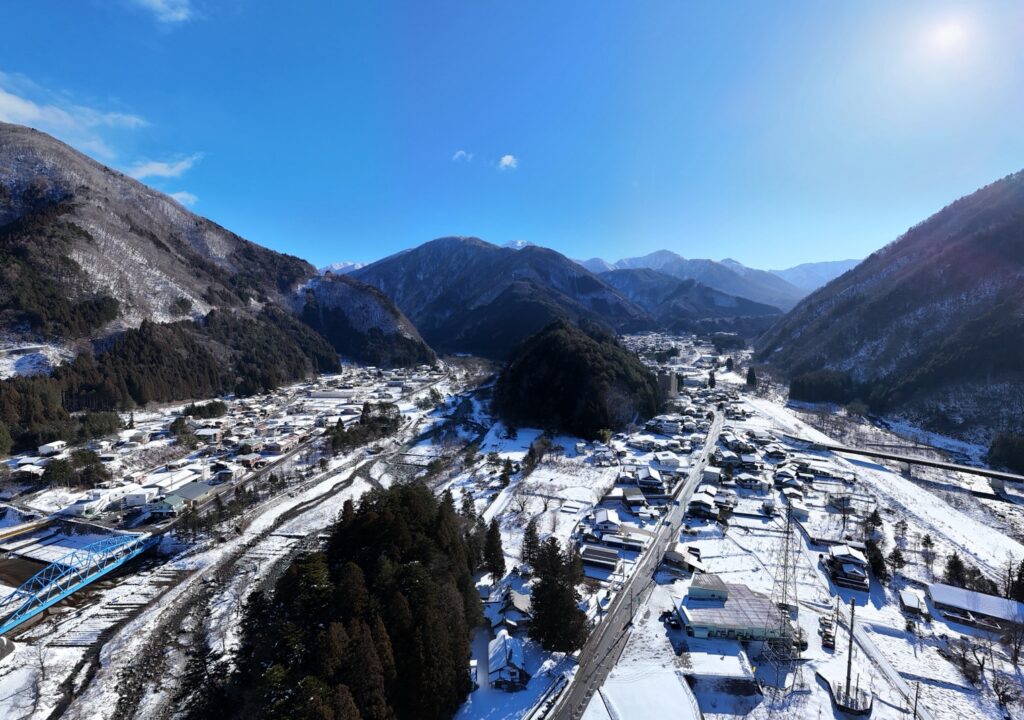
There are roads, settlements, and hot spring inns.
The Okuhida Onsenkyo hot spring area isn't right next to the national park either.
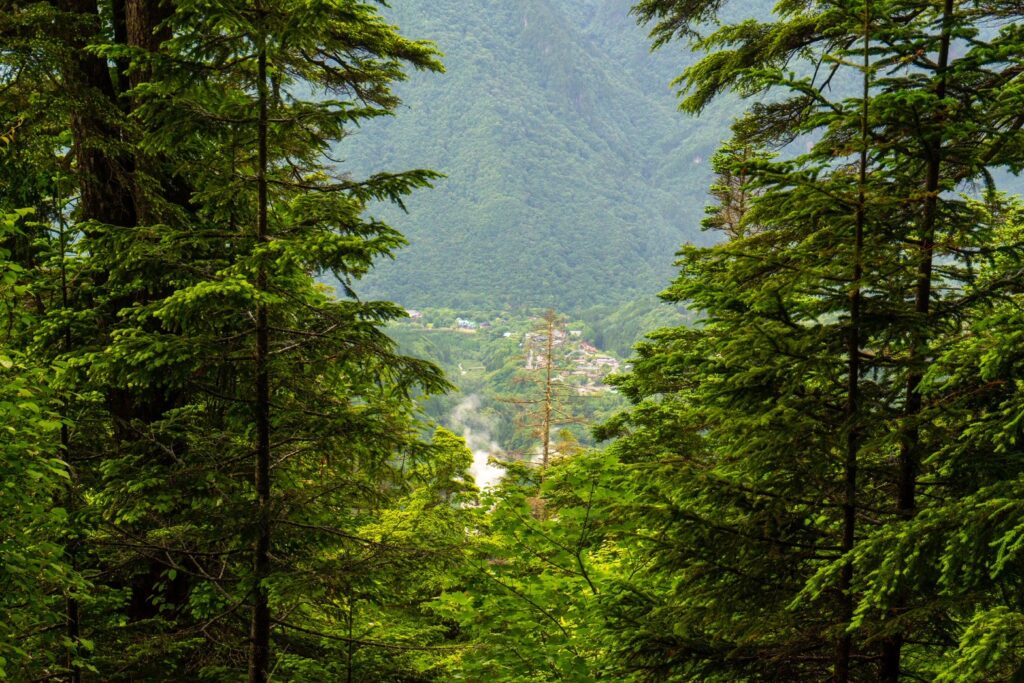
It is located in the midst of this vast natural landscape.
Why are there hot springs in the mountains, and why are there settlements along the river?
Why have people lived here?
Rather than humans arbitrarily intruding into the scenery afterwards,
Perhaps human life itself has also been a continuation of this land.
Considering that, the meaning of the phrase "living in a national park" is,
It was as if I had a completely different feeling.
There's another place in this area that I really love.
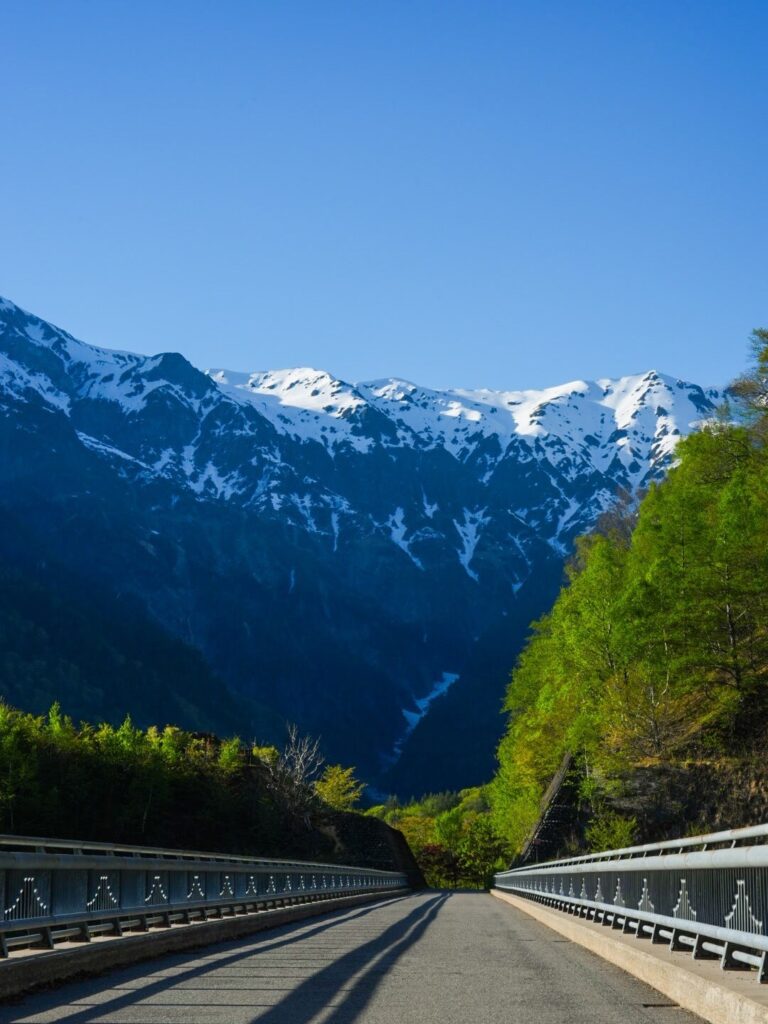
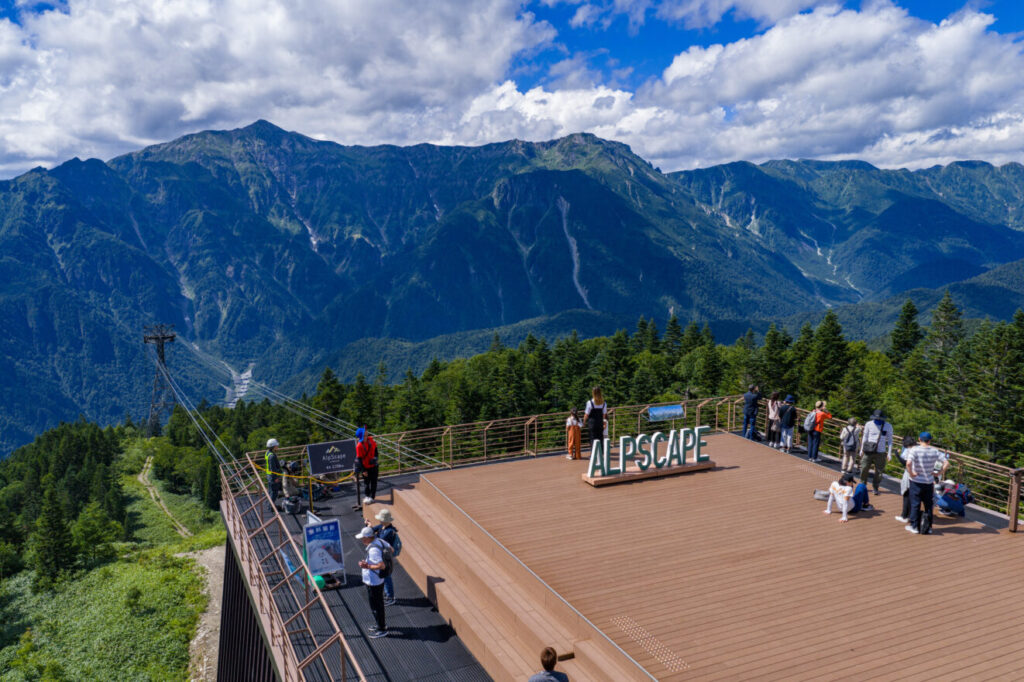
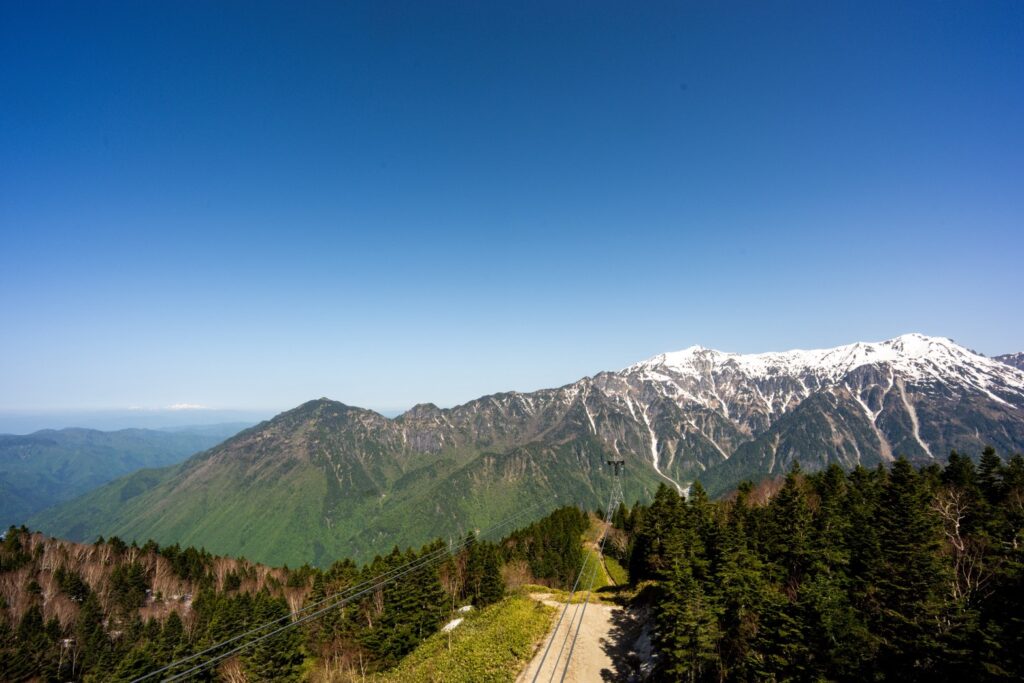
Despite these magnificent mountains, you can get surprisingly close to them.
If you take the Shinhotaka Ropeway, you'll reach Nishihotakaguchi Station at an altitude of over 2,000 meters.
At Norikura Tatamidaira, you can take a bus up to an altitude of 2,702 meters.
Even without mountaineering skills, instead of just looking up at 3,000-meter-class mountains from below,
They can face each other at a height close to the same eye level.
I remember very well the first time I stood at that height.
I was looking at the mountains, but it felt like the mountains were looking back at me.
It was a strange feeling.
When I first arrived in Okuhida, I think what I was really looking at was the scenery.
The mountains are beautiful. The snow is incredible. The hot springs feel wonderful.
That alone would have been enough, but as I gradually learned more about this land,
Mountains, rocks, snow, plants, animals, hot springs, and human life,
It's starting to look like everything is connected in one continuous line.
There are stones that hold the memories of the sea from over 400 million years ago.
After that, the earth shifted dramatically, and the Northern Alps rose up.
The mountains brought snow, nurtured plants, and created habitats for living creatures.
The heat from underground erupts as hot springs, and people eventually reach the places where this water and hot springs are found.
And far along that lineage lies the present-day Okuhida Onsenkyo hot spring resort.
I'm in there right now.
Looking up, I see the usual mountain. At my feet, the usual stones.
But it no longer looks like the same scenery as before.
The charm of Okuhida isn't just in the scenery right in front of you.
The entirety of the immense amount of time that lies behind it is what makes Okuhida what it is.
Lately, I've started noticing even the tiny pebbles at my feet.
— The Writer —
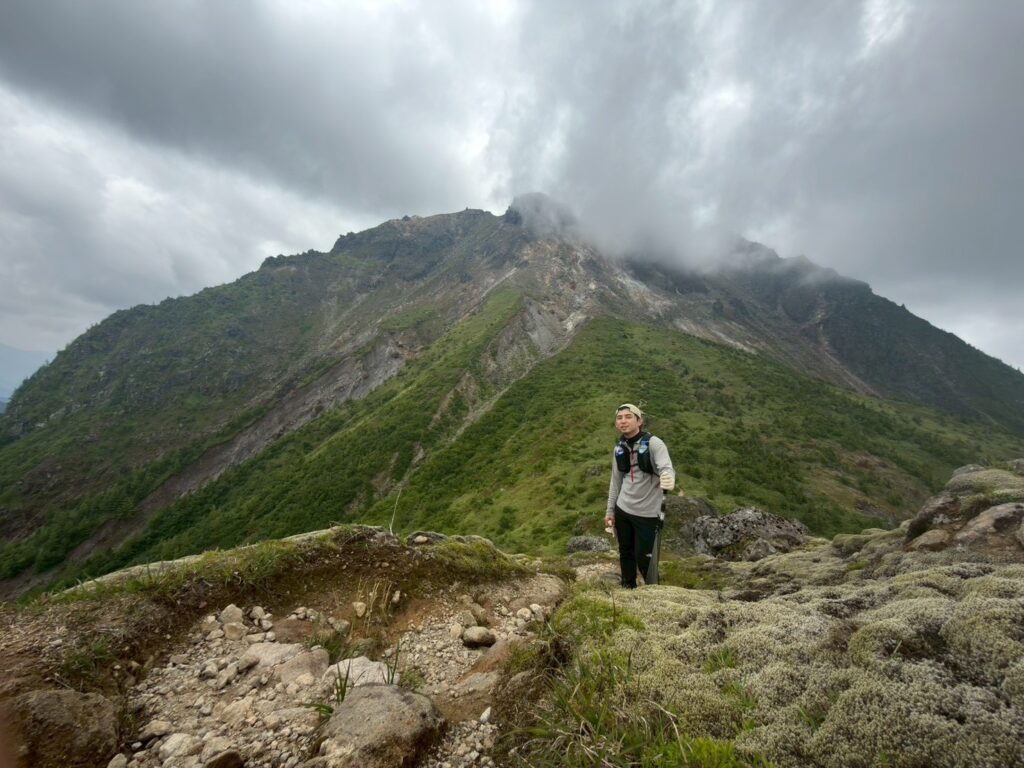
Kono Hikaru / From Saitama Prefecture. Member of the Regional Revitalization Cooperation Team at the Okuhida Onsenkyo Tourism Association.
I'm exploring the unique aspects and charms of this place from an outsider's perspective.
Lately, when I encounter a beautiful landscape, I also think about the time it took for that landscape to be created.
It's bothering me.